
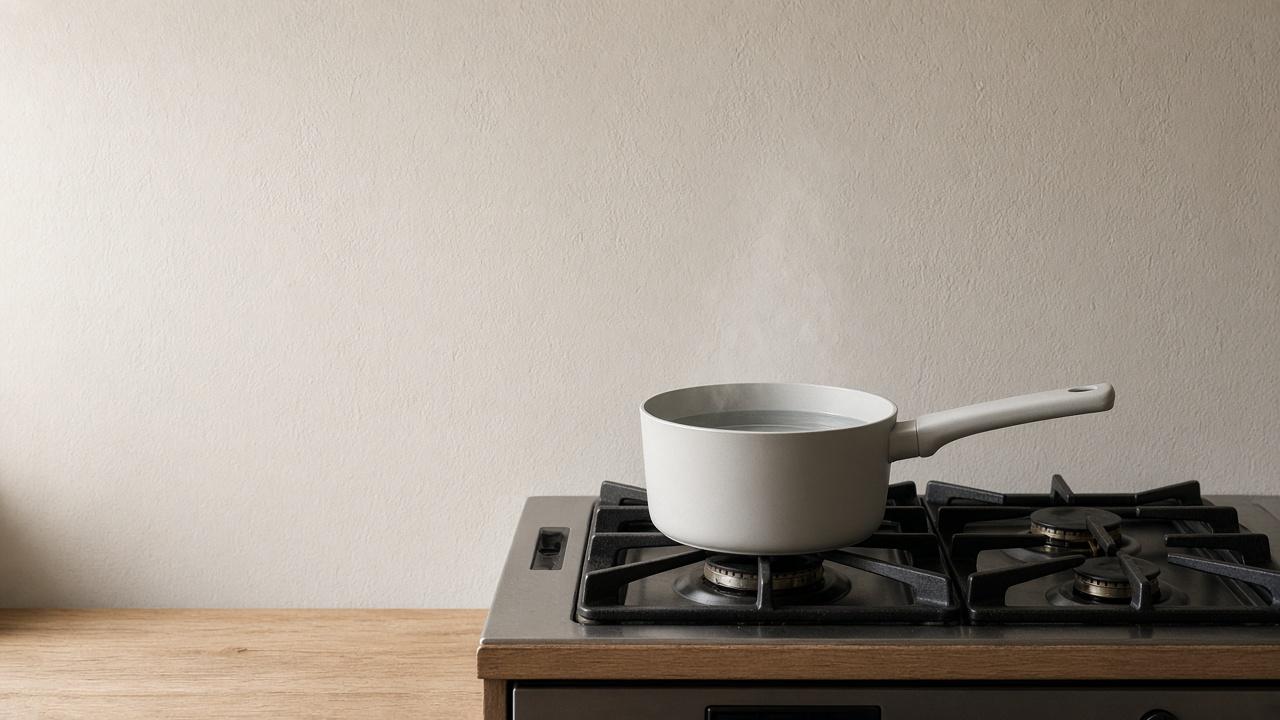
You are standing in the kitchen, and the pot is still empty.
You know you are going to eat. You do not yet know what. Rice, noodles, potatoes, soup. Something that needs hot water, probably.
You are waiting to be sure before you turn the burner on.
The evening gets smaller while you wait.
The water could already be heating.
The Long Part Is Mostly Waiting
A lot of ordinary dinners are slow in the same way.
Water has to boil. Rice has to sit. Potatoes have to soften. Lentils have to finish. Oats have to thicken.
You are not doing much of that work. The pot is.
What takes the time is the waiting, and the waiting cannot start until the pot is on.
Choosing the rest of the meal does not make the water heat faster. It only moves the start later.
You Can Choose While It Heats
Putting the water on is a small decision.
It says dinner will be something that uses hot water. It does not say which thing.
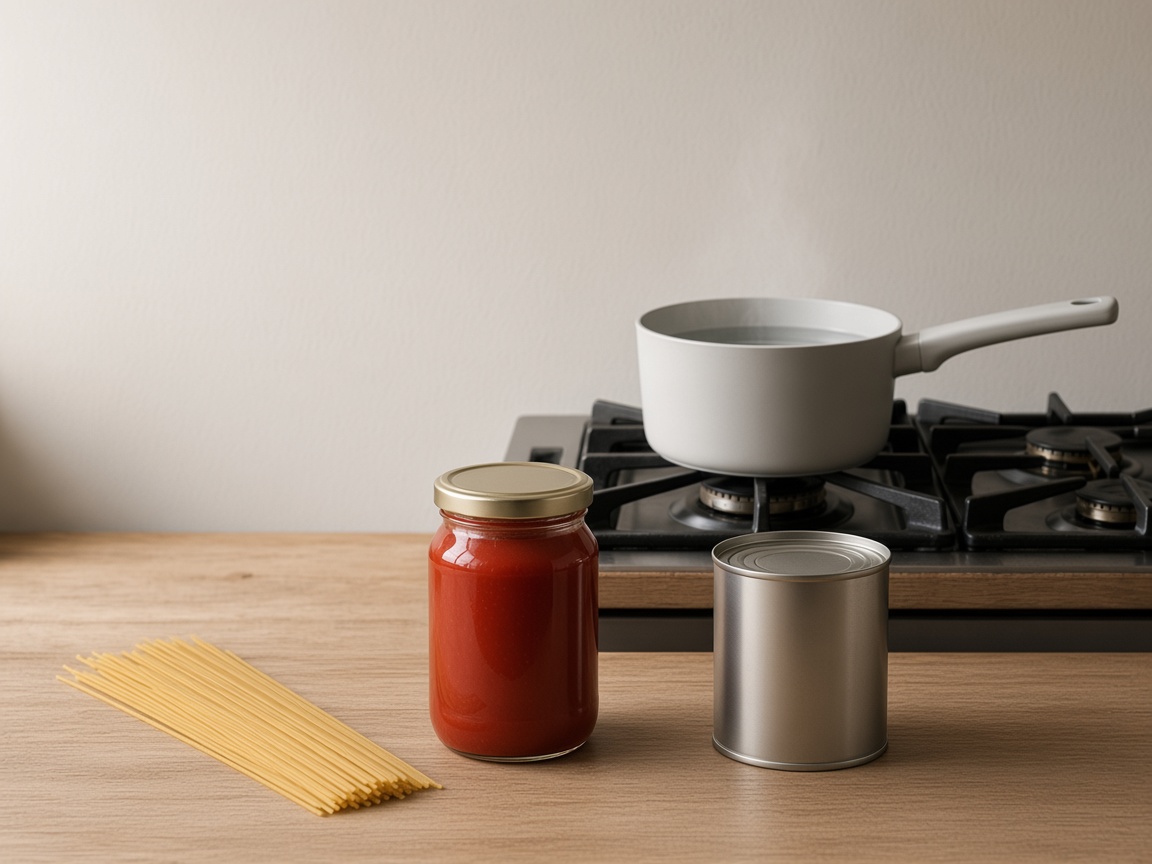
While the pot heats, look at what you already have.
A jar of sauce. A can of beans. Rice. Noodles. Bread, if the meal wants bread.
You do not need all of them. You need one or two that you already know how to eat.
The plan can be that small. It can arrive after the burner is on.
If you change your mind, you still have hot water. Pour it over something else. Make tea and start again with a different pot. Very little has been spent.
If the meal you already know does not need hot water, leave the burner off. Bread and a jar is still dinner. This is only for the evenings when you can already tell that something is going to have to boil.
Leave the Waiting Alone
Waiting has a way of filling itself.
The water is on, so there seems to be time to wash a vegetable you were not going to use. Time to start a sauce from a clove of garlic. Time to look up a better version of the meal you were about to make.
That is how a pot of water becomes a long evening.
The waiting is already doing the slow part. Let it.
Salt the water if you are cooking in it. Get out the one thing that will go with it. Set a bowl on the counter.
Then leave the rest alone.
You do not have to be useful for every minute the pot is on. Sitting down is allowed. The meal is already underway.
Eat What the Water Made
When it is done, keep the plate as plain as the decision was.
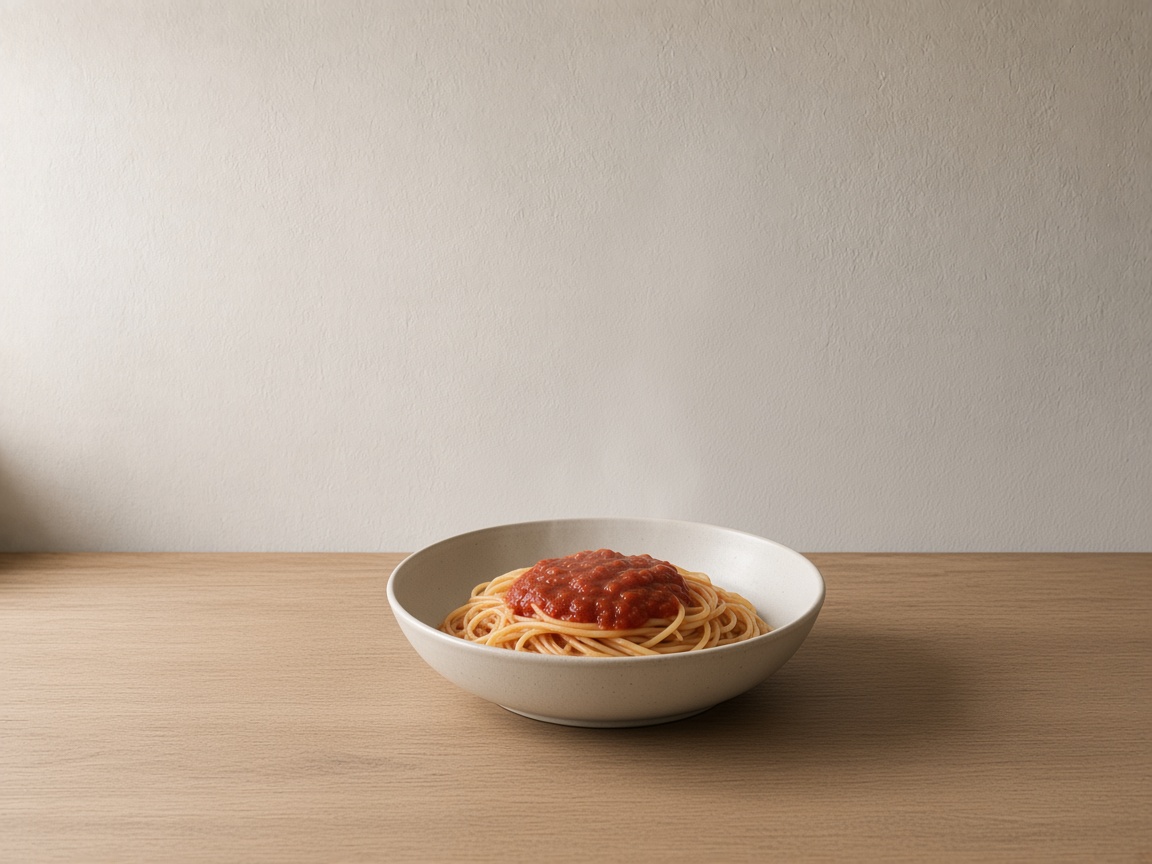
Noodles and the jar.
Rice and beans.
Potatoes with something green, and salt.
Oats, if oats are what you wanted once the water was hot.
None of these need a name. They need to be hot, and enough, and familiar.
Taste it. Add salt if it needs salt. Put a full bowl on the table.
The Pot Can Go On Before You Are Sure
The next time you are standing there, deciding, look at the burner.
If dinner is going to need hot water, put the water on.
You can choose the rest while it heats.
You can keep that rest small.
You can eat what it becomes.
Most evenings, the missing step was not a better idea. It was an earlier start to the part that only had to wait.
Easy Plant Life is about making plant-based living fit real life. Fewer decisions, familiar meals, and small changes that are easy enough to repeat.