
Something in the kitchen is closer to the end than the beginning.
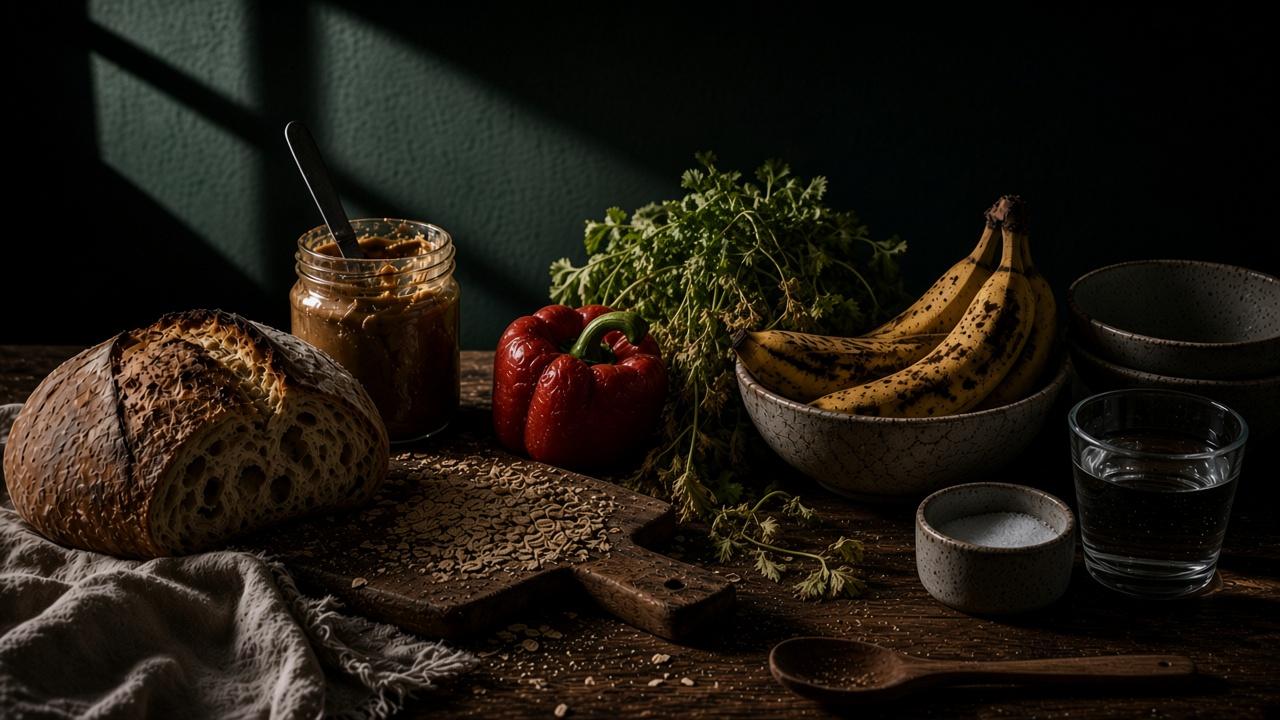
Bananas with more brown than yellow. A bunch of herbs larger than one meal. Bread drying at the cut face. A pepper you bought for a different night and have not cooked.
You see them, and a small project appears.
Soup. A bake. A plan for the weekend, when you will have time to use them properly.
Then the evening comes, and the project does not. The bananas stay in the bowl.
A Rescue Recipe Is Another Kind of Waiting
The food is not asking for a new idea.
It is asking to be eaten while it is still good.
A recipe that uses it up sounds responsible. It is also a reason to wait. You need the other ingredients. You need a free hour. You need to feel like baking, or like making a pot of something you do not usually make.
Most weeks, that hour does not arrive. The food sits through it.
What the pepper needed was a pan you were already going to heat.
What the bread needed was the toaster.
What the bananas needed was the bowl you already know how to fill.
Put It in the Meal You Meant to Eat
Look at what you were going to make anyway.
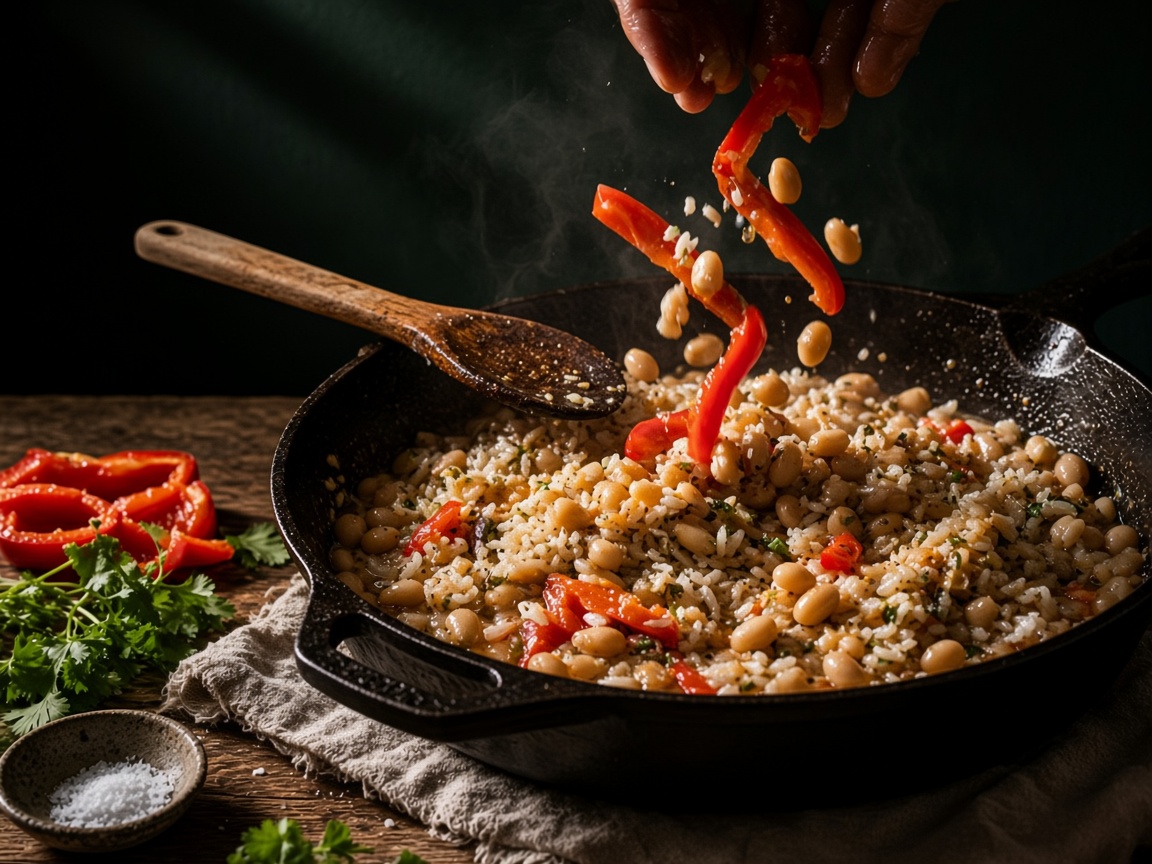
Rice and beans. Noodles. Toast. Oats. A sandwich. The food from last night, heated.
The thing that will not keep can join that meal. It does not have to become the meal.
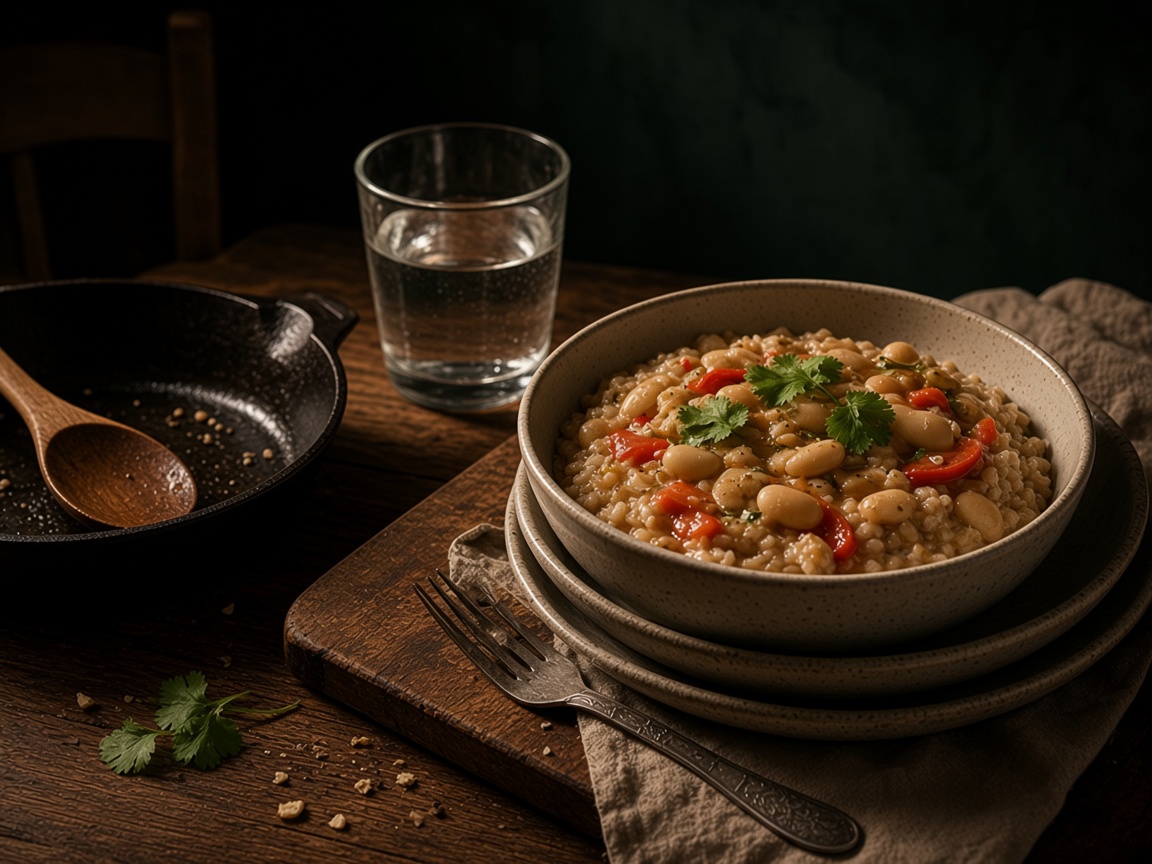
Slice the pepper into the beans. It does not need a recipe of its own. It needs the pan that is already on.
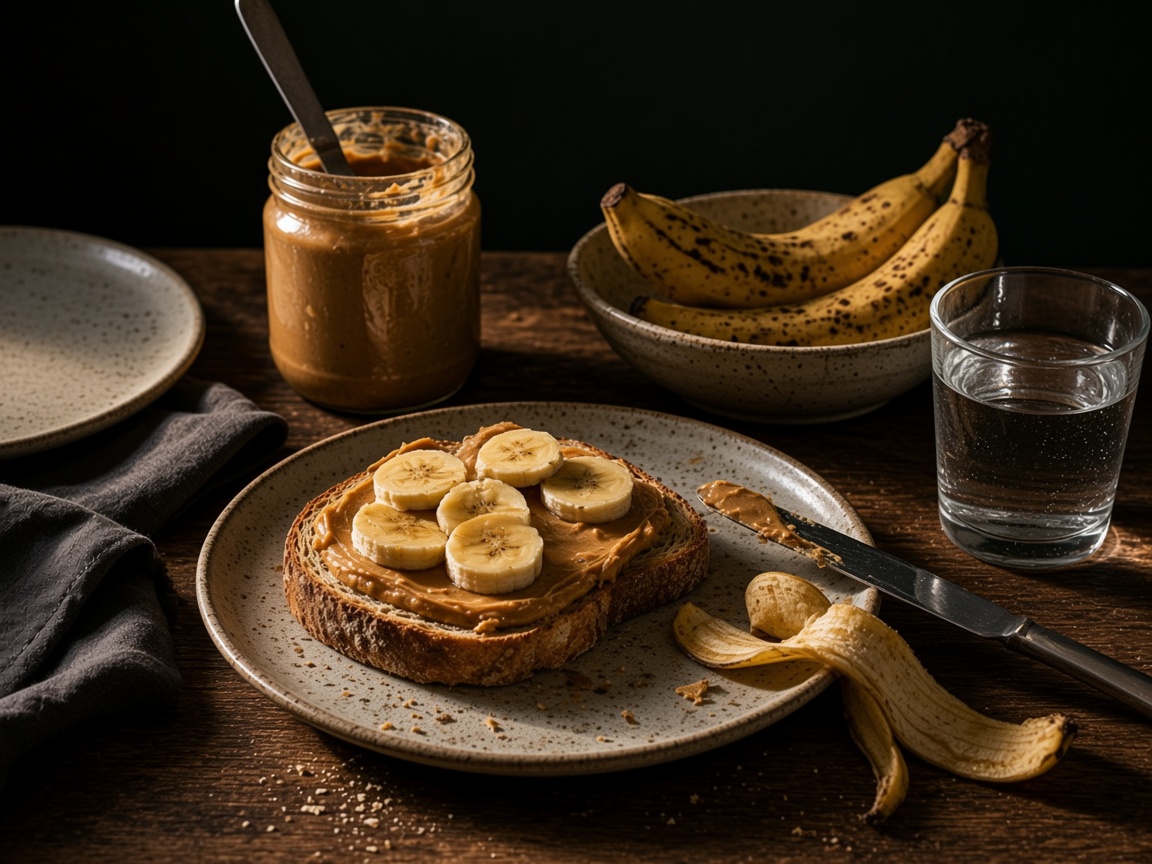
Toast the bread before the cut face dries any further, and put something you already like on it. Peanut butter. A spoon of the beans. Whatever you would have put on it yesterday.
Put the bananas on the oats, or on the toast, or eat one while the rest of dinner heats. Spots are not a reason to bake.
Herbs that are more than you will use can be torn over the top at the end. You do not have to finish the bunch. If what is left is too far gone to enjoy, compost is an honest ending. A sad bunch in the door of the fridge is not.
You are not rescuing dinner. You are letting one thing ride along with it.
You Do Not Have to Save All of It
A drawer full of food that is almost done is not a plan.
You do not owe every pepper a recipe. You owe yourself a meal you will actually eat.
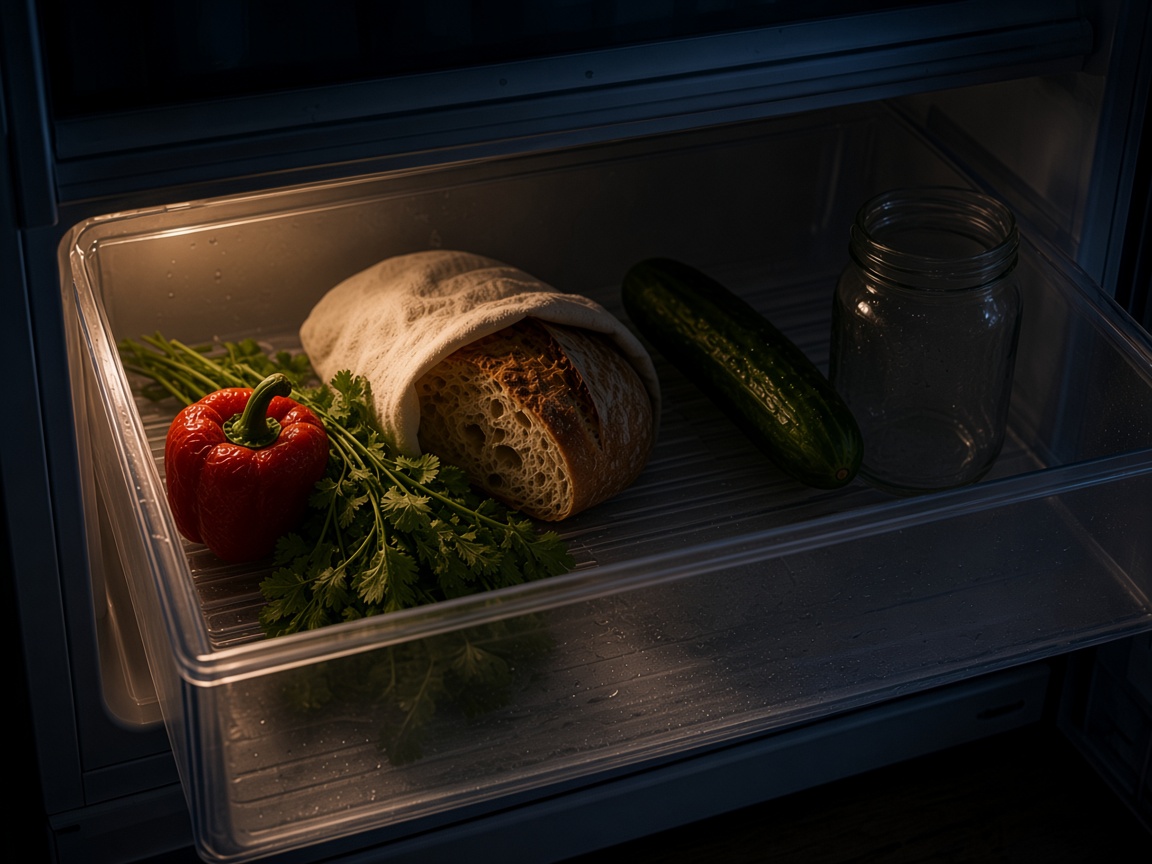
If three things are getting close, pick the one you will enjoy tonight. Put that one in the pan. Leave the drawer readable: the pepper, the bread, a little room around them. Not a project board.
The others can go in the freezer if you already know the future meal. Bread you will toast. Bananas you will put on oats. Spinach you will stir into lentils.
Freezing is not useful when it only postpones the decision. A freezer full of unnamed scraps is the same problem as the drawer, moved one door over.
Look Once, Then Cook
The next time you open the fridge and feel the small pressure of food that is waiting, do not build a plan around it.
Name the one thing that will not keep.
Name the meal you were already going to make.
Put the first into the second.
Then eat.
If nothing you already make can hold it, eat it as it is. A banana. Toast. The pepper with salt, if that is what you want. Standing there inventing a better use is how it stays on the counter.
Tomorrow you can buy the fresh one again, if you want it.
Tonight, use what will not keep.
The ordinary meal is enough of an occasion.
Easy Plant Life is about making plant-based living fit real life. Fewer decisions, familiar meals, and small changes that are easy enough to repeat.