
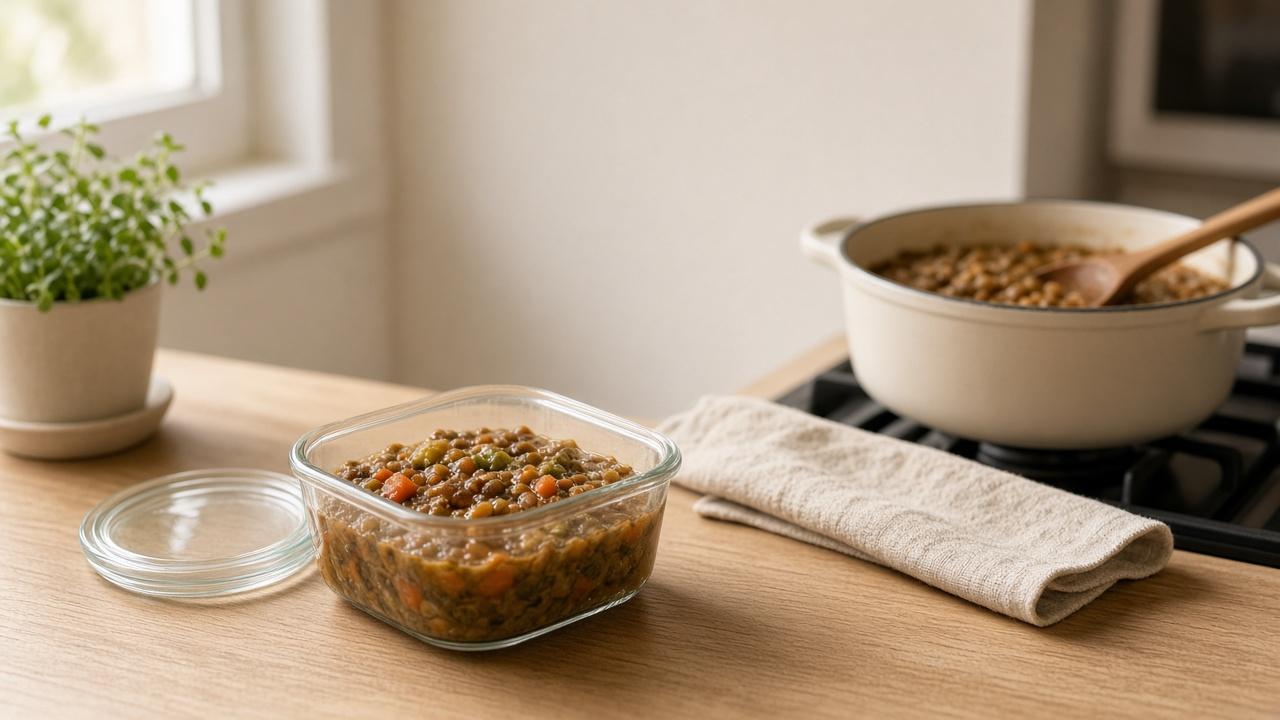
There is a particular version of Sunday that appears often in advice about eating well.
The kitchen is clean.
The groceries are organized.
A row of containers waits on the counter, ready to hold perfectly portioned lunches and dinners the week ahead.
You spend a few hours preparing everything. Then, supposedly, you stop thinking about food until next Sunday.
It sounds efficient.
And for some people, it works beautifully.
But there is another version of Sunday.
You are tired. You have errands to finish. Maybe you want to see friends, spend time outside, or simply do nothing for a while.
The thought of spending several hours preparing food for a week that has not happened yet feels like another obligation.
So you skip it.
And on Monday, you feel as though you are already behind.
But you are not.
You do not need a weekly meal prep routine to make eating vegan easier.
Sometimes, preparing one extra portion is enough.
The Problem With Preparing for a Week You Haven't Lived
A weekly meal plan assumes you can predict your week.
You know when you will be home.
You know how hungry you will feel.
You know what you will want to eat on Thursday.
You know how much energy you will have left after work.
Real life rarely cooperates that neatly.
An unexpected dinner invitation changes your plans.
A late meeting makes cooking impossible.
A meal you were excited about on Sunday sounds unappealing by Wednesday.
The containers are still waiting.
Now, instead of helping you, they create another decision.
Do you eat what you prepared?
Do you make something else?
Will the food go to waste?
What started as an attempt to reduce effort can quietly become something else you have to manage.
The problem is not meal preparation itself.
It is the amount of commitment attached to it.
You do not need to prepare for every possible meal.
You only need to make the next few meals a little easier.
Cook Once, Leave Something for Tomorrow
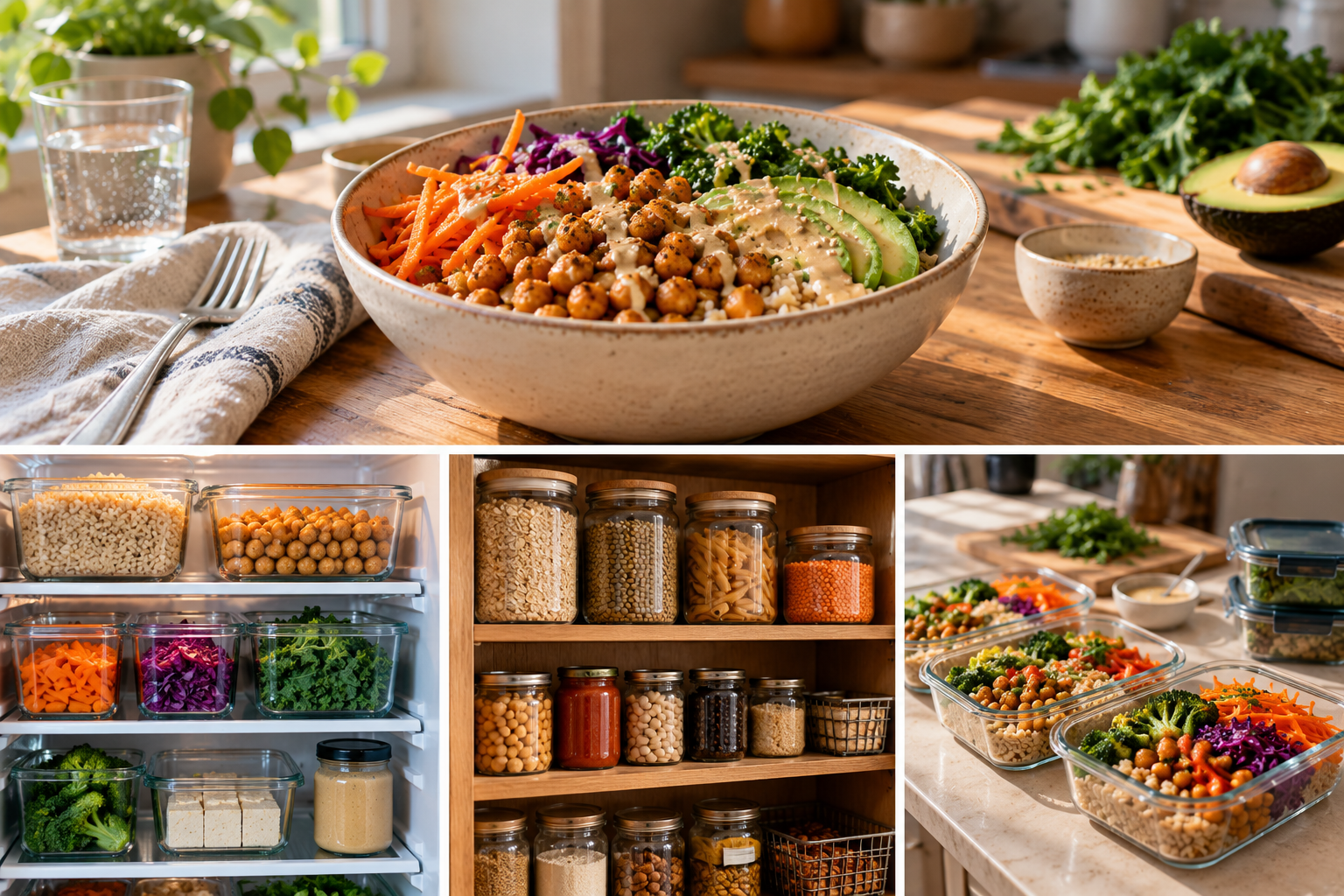
Imagine making rice for dinner.
You could cook exactly enough for tonight.
Or you could cook a little more.
Not a week's worth.
Not five identical lunches.
Just enough that tomorrow's lunch already has a starting point.
The same idea works with almost anything.
If you are roasting vegetables, add another portion to the tray.
If you are cooking lentils, make enough for another meal.
If you are preparing tofu, cook a little extra.
If you are making soup, leave yourself another bowl.
That is meal preparation.
It may not look impressive.
There may be no matching containers or carefully arranged refrigerator shelves.
But tomorrow, something useful is already waiting.
You have removed one step from a meal you have not made yet.
And you did it without creating an entirely separate cooking session.
That is a small advantage worth keeping.
Prepare Ingredients, Not Entire Decisions
There is another useful difference between preparing food and deciding exactly how you will eat it.
Suppose you cook a little extra rice.
Tomorrow, that rice could become a warm bowl with vegetables and tofu.
It could go into a stir-fry.
It could be served alongside beans and a simple sauce.
The rice is ready.
The rest remains flexible.
That flexibility matters.
When you prepare complete meals too far in advance, you sometimes lock yourself into choices you have not made yet.
When you prepare a few familiar ingredients, you make future meals easier without deciding every detail.
This does not mean you need a refrigerator full of separate components.
That would be another system.
It means noticing which parts of cooking are worth doing a little extra of while you are already there.
Maybe rice is useful because you eat it often.
Maybe cooked lentils are useful because they fit several meals.
Maybe roasted vegetables are useful because you enjoy them hot or cold.
Choose what works for you.
The goal is not to create endless combinations.
The goal is to make a familiar meal easier to assemble when you need it.
Two or Three Portions Can Be Enough
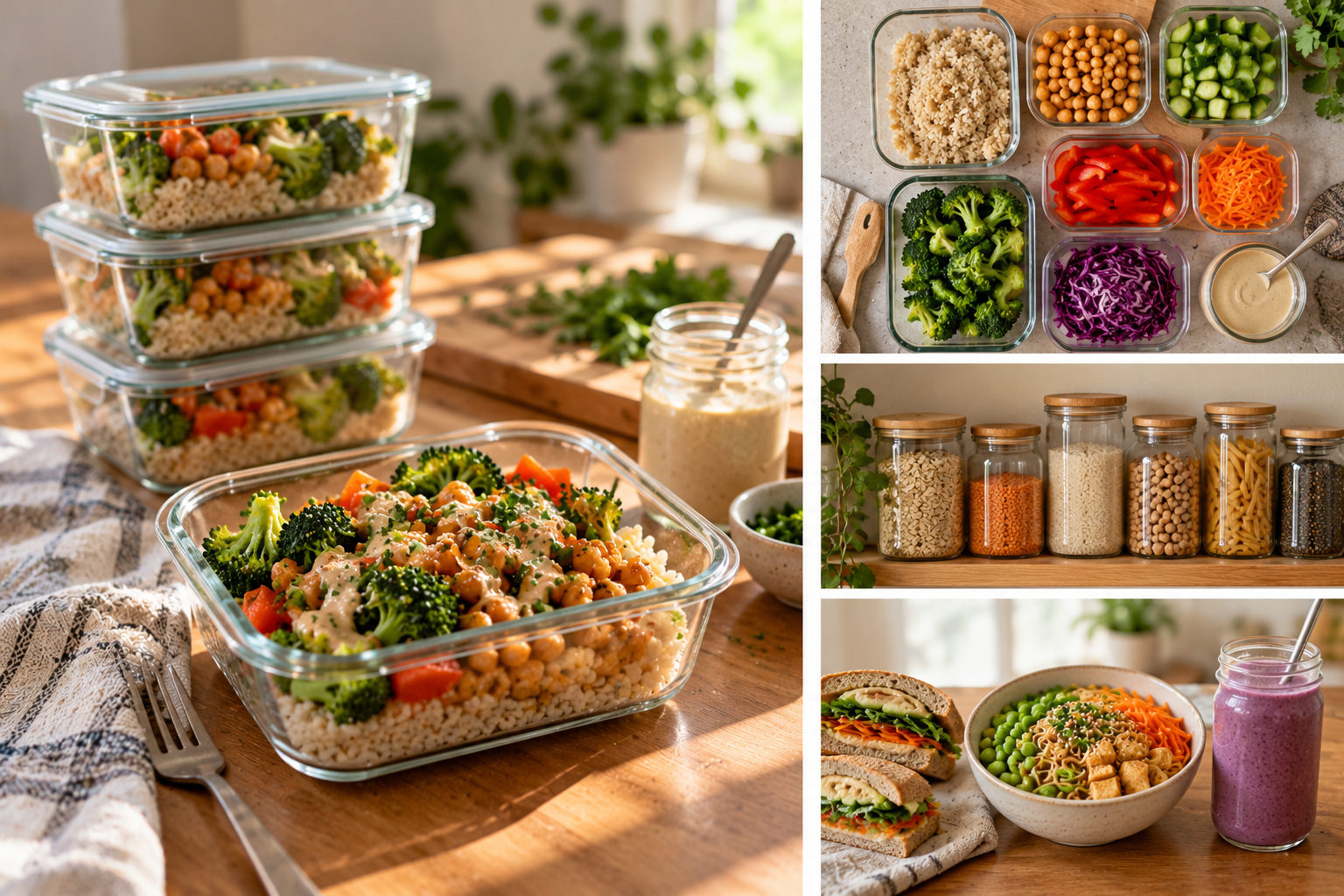
There is something reassuring about preparing food for an entire week.
Everything appears settled.
But there is also value in preparing less.
Two or three portions are often easier to manage than seven.
You do not need to predict your appetite for the next five days.
You do not need to worry about eating the same thing all week.
You do not need a large block of time to prepare everything.
You simply cook a little more than you need right now.
Then you eat the extra portion when it is useful.
For many people, this is a more forgiving arrangement.
It allows your routine to change without making the preparation feel wasted.
You can still cook something different tomorrow.
You can still go out.
You can still decide that you would rather have noodles than rice.
The prepared food is there to help.
It is not there to make demands.
Store leftovers safely, refrigerate them promptly, and use or freeze them within appropriate food-safety timeframes.
A useful shortcut should make tomorrow easier, not create another thing to worry about.
Sometimes the Best Preparation Is None
Not every meal needs to produce leftovers.
Not every cooking session needs to accomplish something for the future.
Sometimes you make dinner, eat it, and finish.
That is enough.
There is a temptation to make every useful habit more efficient.
If cooking extra rice helps, perhaps you should cook an enormous batch.
If preparing vegetables saves time, perhaps you should prepare every vegetable in the refrigerator.
If two meals are helpful, perhaps seven would be better.
But more preparation is not automatically more useful.
The extra effort has to come from somewhere.
If it makes cooking feel heavier, the benefit may disappear.
A good shortcut should feel like a shortcut.
It should not require you to become more organized, more disciplined, or more enthusiastic about cooking than you actually are.
On some days, the easiest meal will be something you assemble from what you already have.
On others, it will be a familiar dish made from scratch.
And sometimes, you will cook a little extra because it happens to be convenient.
All of these approaches can belong in the same routine.
Let Tomorrow Benefit From Today
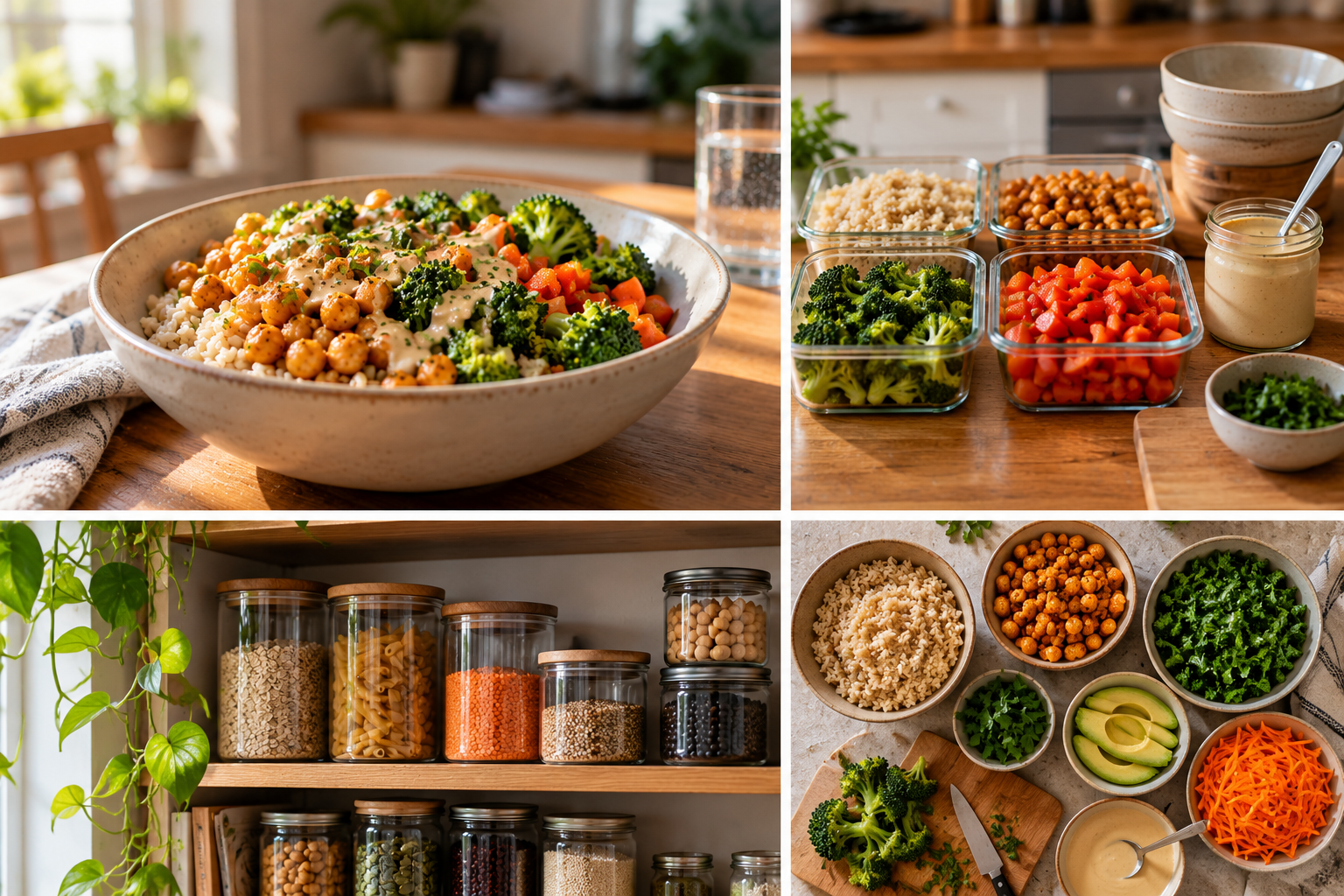
If you want to try a lighter approach to meal preparation, start with your next ordinary dinner.
Not Sunday.
Not the beginning of a new week.
Just the next time you are already cooking.
Notice whether making a little extra would require much additional effort.
If it would, make more.
If it would not, do not.
Maybe you cook another portion of pasta.
Maybe you prepare enough vegetables for tomorrow's lunch.
Maybe you leave half the soup for another day.
Then stop.
You do not need to plan what happens after that.
Tomorrow, when you are hungry, you will have one less thing to do.
And that may be enough to make lunch feel manageable.
A Routine That Doesn't Need Protecting
The most useful habits are often the ones that can disappear for a while without causing problems.
You cook extra food when it makes sense.
You skip it when it does not.
You eat leftovers when they are convenient.
You prepare something fresh when you feel like it.
There is nothing to maintain.
Nothing to restart.
No weekly commitment to fall behind on.
You are simply making ordinary cooking a little more useful.
Over time, those small advantages can add up.
Not because you have mastered meal preparation.
Because you have stopped asking it to be a separate project.
You do not need a perfect Sunday to have an easier Monday.
Sometimes, all you need is a little extra rice.
And the freedom to decide what to do with it tomorrow.
Easy Plant Life is about making plant-based living fit real life. Fewer decisions, familiar meals, and small changes that are easy enough to repeat.